



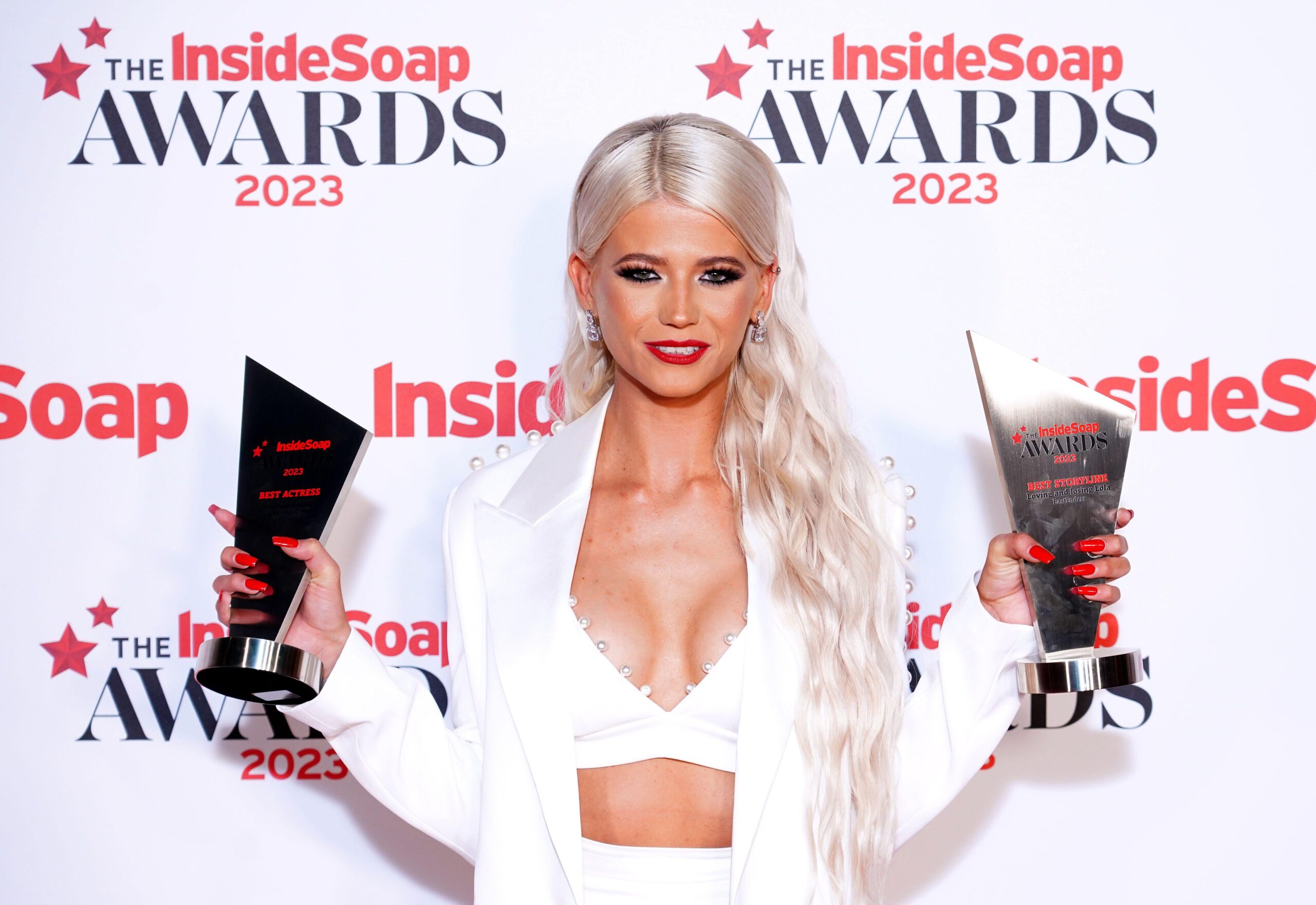
We sat down with Danielle Harold who is best known for her unforgettable portrayal of Lola Pearce in EastEnders to talk about the scenes that tested her most, the soap actor snobbery that’s finally shifting, and what comes next for one of soap’s most compelling talents.
“I Always Knew I Had to Be on My Toes”
We asked Danielle who made her most nervous walking onto the EastEnders set, and she doesn’t hesitate for a second.
“Definitely Steve McFadden. I just admire his acting so much and was a huge fan before I joined the show.”
Phil Mitchell has been the beating, brutal heart of Walford for decades, and Danielle knew exactly what she was walking into every time a scene with Steve came up on the call sheet.
“As an actor, it doesn’t matter how long you’ve been there whenever I had a scene with Steve, I always knew I had to be on my toes. In the best way. I think he’s one of the best actors in the UK. He’s amazing.”
High praise for the Eastenders legend.

bingo sites worth your time
Ranked and Reviewed ✅
On the Snobbery Around Soap Acting
It’s a conversation the industry has been having for years. Are soap actors taken seriously? Is there a glass ceiling above Walford? Danielle thinks things are finally moving in the right direction.
“Yeah, I think so. There’s definitely been a shift, which has been really lovely to see.”
She’s careful not to dismiss where that attitude came from, though.
“Maybe that snobbery used to come from not understanding the work and dedication that goes into creating these stories. But it’s definitely shifting, you’re seeing soap actors go on to secure some really big roles. Attitudes are changing.”
And given what she delivered in Lola’s final storyline, it would be hard to argue otherwise.
Playing Lola and Decompressing from the Hardest Scenes
Danielle’s portrayal of Lola’s brain tumour diagnosis and eventual death left viewers — and the cast — genuinely shaken. It was the kind of storytelling that reminded the nation why EastEnders still matters. But living inside those scenes, week after week, takes a real toll.
“Super difficult. Super difficult. Because it’s a real life story. It wasn’t my story, it wasn’t really Lola’s — it was everyone we were doing it for. All those people who have been affected by such sad news.”
She’s clear that the weight of it was exactly what it needed to be.
“It needed to be done to highlight such a terrible illness. It deserves all the awareness that could be raised.”
Working with Brain Tumour Research
The storyline didn’t end when the cameras stopped rolling. Danielle has worked closely with Brain Tumour Research in the time since, and the response from viewers who’ve been through similar experiences has been both humbling and heartbreaking.
“Unfortunately, lots of people reached out. It was a wonderful compliment — but at the same time, when you’re getting so much praise, you can’t really enjoy it, because you know there are families who have experienced loss and grief.”
She’s passionate about the cause, and honest about the funding gap that still exists.
“Brain Tumour Research gets hardly any funding at all, and that’s something they’re really pushing to change. It’s devastating. It affects so many young people. If we could highlight that and try to improve it, then we are happy.”
>> Catch up on more Eastenders folks. Read Rita Simons On EastEnders, Panto, And What Comes Next.
Flash Forward Episodes That Keeping Viewers Guessing
EastEnders has in recent years experimented with its storytelling format — flash forwards, non-linear timelines, structural twists that keep audiences debating what they’ve just seen. Danielle is firmly in favour.
“It is always good to try something new, and the buzz online is always great to see.”
She thinks the competition for eyeballs makes that kind of creative boldness not just welcome, but necessary.
“The entertainment market is so full of options you need to try and stand out as much as possible. The flash forwards are a great way to keep people guessing. The producers do a great job keeping things open. Nobody actually has a clue, and that’s the whole point.”
Do Soaps Still Have a Place in British Culture?
With streaming services, on-demand viewing, and a hundred other things competing for attention every evening, it’s a fair question. Danielle’s answer is a firm yes — though she’s realistic about how the landscape has changed.
“Definitely. It’s important that they remain, for relatable stories, for real life people, for raising awareness. Soaps can do so much.”
Viewing figures across the board are lower than they once were, but she doesn’t think that tells the whole story.
“Viewing habits have changed with streaming services, so things have changed, and it’s not necessarily a bad thing. Times change. Soaps are still on TV many nights a week, and I don’t see that changing anytime soon.”
As long as there are writers willing to tackle the big, difficult, life-changing stories, and actors like Danielle Harold willing to carry them, it’s hard to imagine the nation ever really switching off.



Reader comments